
Understanding the psychological triggers that influence gambling behavior
The Role of Reward Systems
The psychology of gambling is heavily intertwined with the brain’s reward systems. When individuals engage in gambling, they often experience a rush of dopamine, a neurotransmitter associated with pleasure and reward. This chemical reaction creates a sense of euphoria, especially when wins occur, reinforcing the behavior. The anticipation of winning can heighten these feelings, leading to repetitive engagement in pin up casino india gambling activities.

This reinforcement mechanism can sometimes overshadow the financial risks involved. As individuals chase the high of a win, they may become more susceptible to taking irrational risks. The brain’s reward system can distort their perception of reality, making losses feel temporary and wins seem more frequent than they actually are.
The Illusion of Control
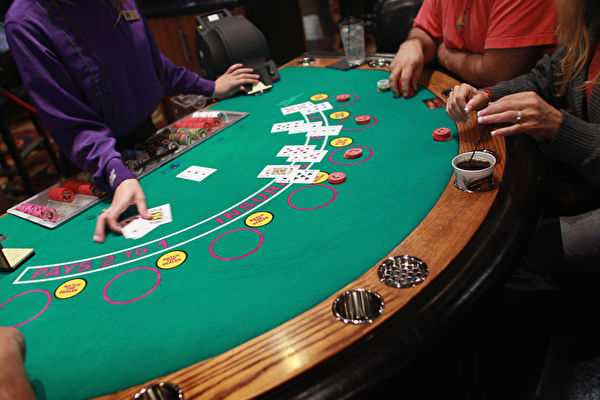
This belief can be particularly potent in games like blackjack or poker, where skill and strategy are involved. Even in purely chance-based games, such as slot machines, players may convince themselves that they can “beat the system.” This illusion keeps them engaged and often leads to repeated play, further entrenching their gambling behavior.
The Impact of Social Factors
Social influences also play a significant role in shaping gambling behaviors. Whether it’s through friends, family, or social environments, the normalization of gambling can create pressure to participate. Individuals may start gambling to fit in or to bond with others, believing it enhances their social experiences.
Emotional Triggers in Gambling
Emotions are powerful drivers of gambling behavior. Many individuals turn to gambling as a form of escapism, seeking relief from stress, anxiety, or depression. The temporary high experienced during gambling can serve as a distraction from negative feelings, leading to a cycle where gambling becomes a primary coping mechanism.
This emotional connection can make it challenging for individuals to recognize when gambling becomes problematic. The initial relief can quickly morph into deeper emotional distress, particularly when losses accumulate, trapping them in a vicious cycle that is hard to break.
Exploring Online Gambling Platforms
Online gambling platforms, such as Pin Up Casino, have revolutionized the way people engage in gambling. These sites offer convenience and accessibility, allowing players to gamble from the comfort of their homes. However, they also present unique psychological challenges, as the separation from a physical environment can reduce the perceived risks associated with gambling.
The design and features of online casinos can further enhance gambling behavior. Elements like vibrant graphics, sound effects, and instant rewards can create an immersive experience that keeps players engaged for longer periods. Understanding these dynamics is crucial for recognizing and mitigating the potential psychological impacts of online gambling.
“`
